
Guides
Remodeling in a South OC HOA: What Triggers Review and What Doesn't
Planning a remodel in a Dana Point or Laguna Niguel HOA? See which projects go to architectural review under California law and which usually don't.
November 9, 2026 · Carrieri Construction
In most South Orange County HOAs, work inside your home that leaves structure and building systems alone usually doesn't need architectural review, though your CC&Rs can still require it. Exterior changes, common area work, and anything that touches structure or mechanical systems are where HOA review comes in. The quickest way to know for sure is the approval notice your HOA has to send you every year.
These rules come from California's Davis-Stirling Act, the part of the Civil Code that covers condos and planned communities. The state law is the same in Dana Point, Laguna Niguel, San Clemente, Aliso Viejo and Irvine. The CC&Rs are what change from one community to the next.
Find your HOA's approval notice first
Civil Code 4765(c) requires every association to send members an annual notice of its requirements for approving physical changes to property. The notice has to describe which types of changes need approval and include a copy of the review procedure.
If you can't find last year's copy, ask your management company for it before you start drawing plans. With that document in hand, you're working from your association's actual rules instead of guessing.
What usually doesn't trigger review
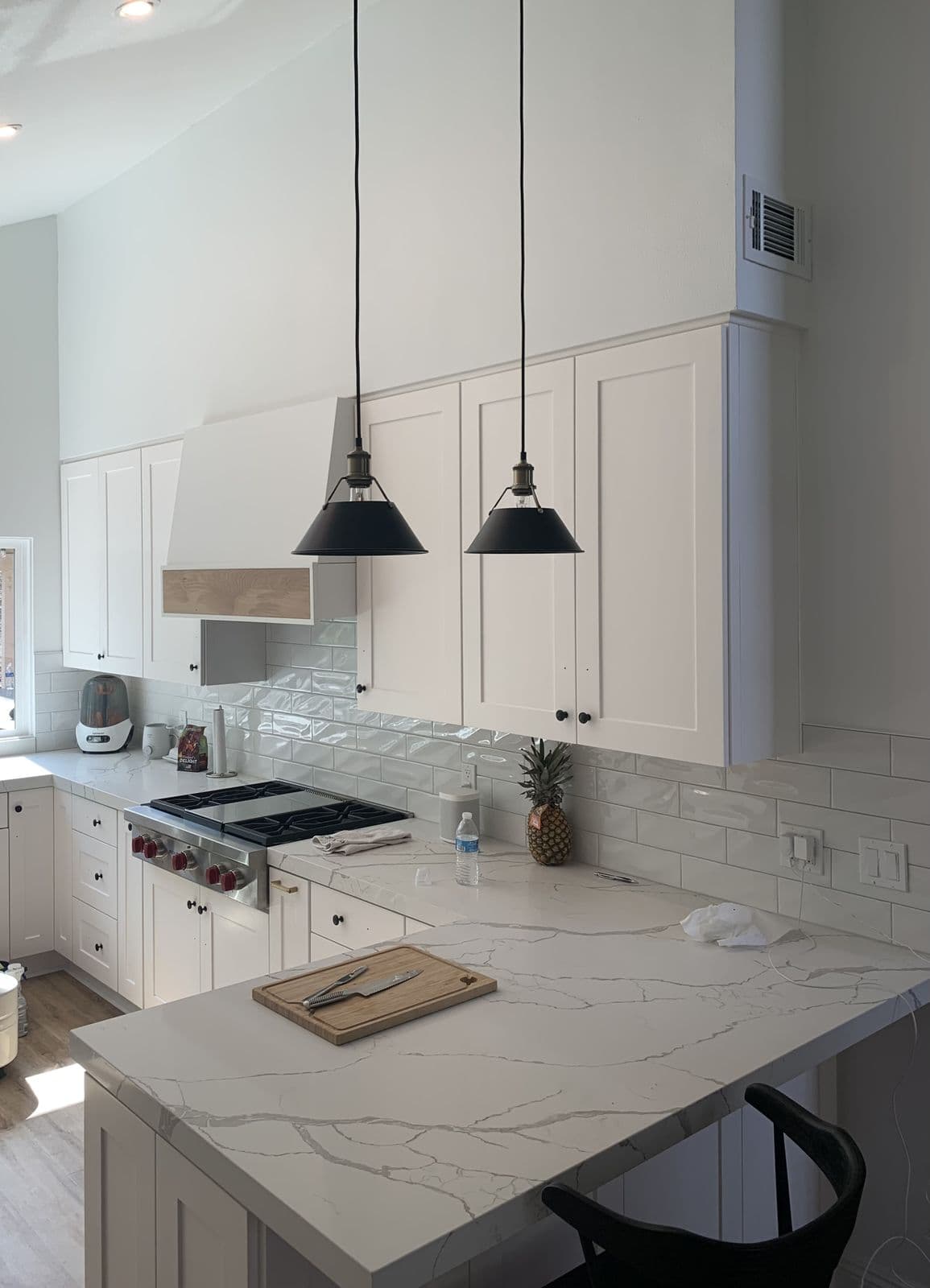
Civil Code 4760(a) lets an owner make improvements inside their own unit, which the law calls the separate interest, as long as the work doesn't impair structural integrity or mechanical systems or lessen support for any part of the development.
That can cover a lot of everyday remodeling:
- New cabinets and countertops in the same layout
- Paint, trim and interior doors
- A new vanity, toilet or tile in an existing bathroom
- New light fixtures in the same locations
The catch is in the first line of the statute, which opens with "subject to the governing documents and applicable law." If your CC&Rs say interior remodels need approval, they need approval. Some online summaries describe 4760 as letting you work inside your unit without association approval. That reads more into the law than it says. If you own a condo, read the CC&Rs line by line before you order materials.
What does trigger review
Anything that changes the exterior
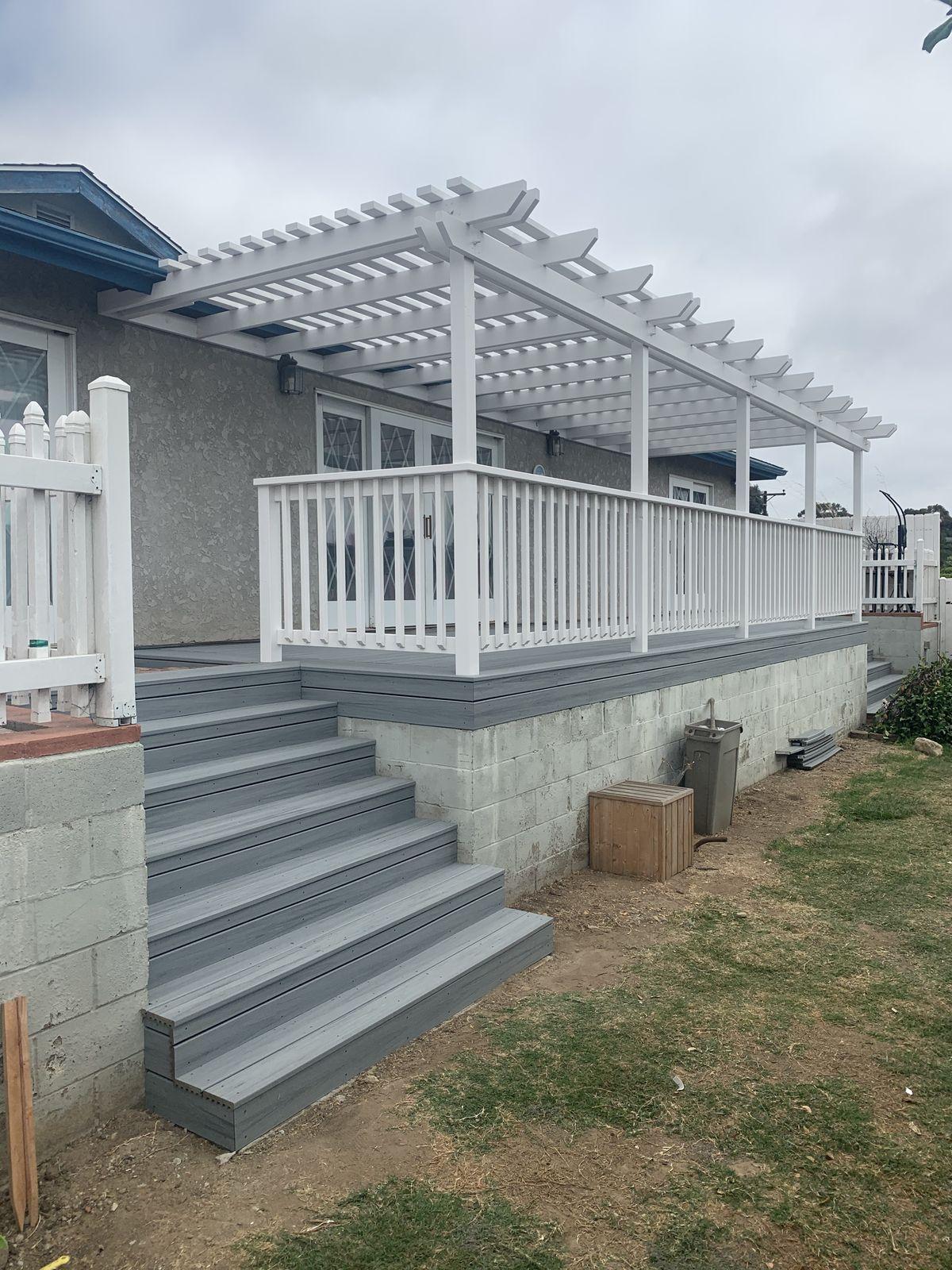
Civil Code 4760(b) says any change to the exterior appearance of a separate interest has to follow the governing documents. Windows, a front door, exterior paint colors, a deck or pergola, roofing and front-yard hardscape all change how the outside looks. A good working rule: if a neighbor walking by could notice it, plan on submitting it.
Common area and exclusive use common area
If your roof is common area, HOA-law attorneys point out that an owner generally can't alter it without board approval.
Exclusive use common area is the other category to check. Civil Code 4775 makes owners responsible for maintaining their separate interest and the exclusive use common area tied to it, and it assigns some repair and replacement work to the association. Read your CC&Rs and the annual notice before you touch a balcony or patio that might fall into this category.
Structural and mechanical work
The interior right in 4760 stops at work that affects structure or mechanical systems. Taking out a load-bearing wall, cutting into the roof for a skylight, or moving plumbing that serves other units is outside it. An open-concept kitchen that removes a load-bearing wall lands here too.
How the review process has to work
Civil Code 4765 puts real limits on the architectural committee. The procedure has to be fair, reasonable and expeditious, and decisions have to be made in good faith. A decision can't be unreasonable, arbitrary or capricious, and it can't violate a building code or other law on land use or public safety.
The decision must be in writing. A denial has to explain why and describe how to ask the board to reconsider. The procedure also has to state the maximum time for a response. The statute doesn't set a number of days for ordinary requests, and HOA-law attorneys note that many governing documents set a 30 to 60 day review period.
If you're denied, 4765(a)(5) lets you ask the board to reconsider at an open meeting. If that doesn't settle it, you can request internal dispute resolution under Civil Code 5910, which is a meeting with the association to try to work it out.
Projects where state law limits what the HOA can say
Solar
Under Civil Code 714, an HOA restriction can't raise the cost of a solar energy system by more than $1,000 or cut its expected output by more than 10 percent. The association has 45 days to approve or deny a complete application. If it doesn't send a written denial in that window, the application is deemed approved, unless the HOA asked for more information in time.
EV chargers
Civil Code 4745 voids rules that effectively prohibit or unreasonably restrict an EV charging station. The HOA can still set reasonable conditions, including requiring a licensed contractor to do the installation. The association doesn't have to buy the equipment or pay for installation.
ADUs
Civil Code 4751 voids HOA rules that effectively prohibit or unreasonably restrict an ADU or junior ADU on a lot zoned for single-family use. The association can't ban one, but it still has a role, so expect to deal with your HOA along the way.
Drought-tolerant yards
Civil Code 4735 voids HOA rules that prohibit low water-using plants or artificial turf. An HOA also can't fine you for cutting back watering during a declared drought emergency.
Accessibility changes
Civil Code 4760 lets owners modify their unit for access by people with disabilities. You still submit plans and specifications, but the association can't deny approval without good cause. The work has to meet building code.
HOA approval and building code
HOA approval is the association applying its CC&Rs. It doesn't set building code aside: a committee decision can't violate a building code, and accessibility changes still have to meet code. Work like moving a wall or adding a skylight may also need a permit from your city, so check before you start. Carrieri Construction handles the city permits on its projects, so bring your HOA's approval notice and any committee conditions to the first planning conversation.
A sensible order for most owners:
- Read the annual approval notice and the CC&Rs
- Sort your project list into interior-only and everything else
- Submit a complete package for anything exterior, structural or on common area
- Keep every decision in writing
- Check city permit needs once the scope is settled
If you're planning a remodel in Dana Point or a nearby city and want help sorting out which parts of the job your HOA will want to see, call or text Carrieri Construction at (858) 776-6692 or request a quote.
Have a project in mind? Tell us about it and we'll give you a straight answer for your actual house.